
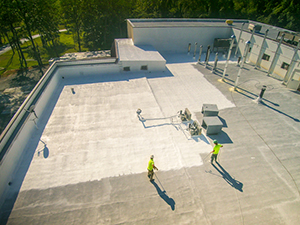
Commercial property owners constantly look for roofing systems that reduce maintenance costs, prevent water damage, and improve long-term performance. In Lebanon, MO, many businesses are turning to foam roofing as a proactive solution designed to stop leaks before they ever begin. Unlike traditional roofing systems that rely heavily on seams and fasteners, spray polyurethane foam creates a seamless protective layer across the roof surface.
For commercial facilities seeking dependable protection against moisture intrusion, Brenneman Roofing provides professional foam roofing solutions tailored to local building needs in Lebanon, MO. To learn how a foam roof can protect your property from costly leaks, contact Brenneman Roofing at (877) 370-6125 today.
How Foam Roofing Works as a Leak Prevention System
Foam roofing, commonly known as Spray Polyurethane Foam (SPF), is applied as a liquid that expands into a solid insulating layer. Once installed, it forms a continuous membrane without seams, joints, or exposed fasteners, areas where traditional roofs often fail.
The installation process typically involves:
- Cleaning and preparing the existing roof surface
- Spraying foam material evenly across the roof
- Allowing expansion to fill cracks and gaps
- Applying a protective coating for UV resistance and durability
Because the foam conforms to every contour of the roof, it eliminates hidden vulnerabilities where water infiltration usually begins. Commercial building owners benefit from a roofing system designed to prevent leaks rather than simply repair them after damage occurs.
Why Traditional Roofing Systems Develop Leaks
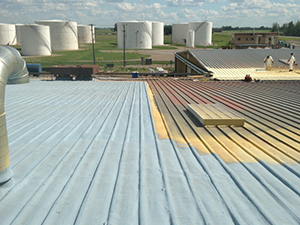
Understanding how leaks form helps explain why foam roofing is increasingly popular among commercial property owners.
Seam Failures
Many commercial roofing materials rely on seams to connect sheets or panels. Over time, temperature fluctuations cause expansion and contraction, weakening these connections.
Fastener Penetrations
Mechanical fasteners used in conventional roofing create small openings that may loosen with age, allowing water to enter beneath the surface.
Ponding Water
Flat commercial roofs often experience standing water after heavy rain. Continuous moisture exposure accelerates deterioration and increases the likelihood of leaks.
Aging Materials
UV radiation, storms, and debris gradually degrade roofing materials, making even well-maintained systems vulnerable.
Foam roof addresses these common problems by creating a monolithic surface that blocks water infiltration at its source.
How Foam Roofing Prevents Roof Leaks Before They Start
The greatest advantage of foam roofing lies in its preventive design. Rather than reacting to damage, it actively reduces the conditions that lead to leaks.
Seamless Waterproof Barrier
Because a foam roof contains no seams, there are fewer weak points where moisture can penetrate. The continuous surface dramatically lowers leak risk compared to traditional systems.
Self-Flashing Protection
Foam naturally forms around vents, skylights, drains, and HVAC units. These areas are typically leak-prone, but foam roofing seals them automatically during installation.
Superior Drainage Performance
Spray foam can be shaped to improve roof slope and eliminate low spots. Better drainage prevents standing water, a major cause of commercial roof failures.
Closed-Cell Structure
The foam’s closed-cell composition prevents water from spreading even if minor surface damage occurs. Moisture remains isolated rather than traveling beneath the roof system.
This preventive approach saves commercial building owners from repeated repair expenses and unexpected interior damage.
Long-Term Benefits for Commercial Property Owners
Beyond leak prevention, foam roofing offers operational advantages that make it a strategic investment for commercial facilities.
Energy Efficiency
Foam roofing provides excellent insulation, reducing heat transfer and lowering energy consumption for heating and cooling systems.
Extended Roof Lifespan
With periodic recoating, foam roofs can last decades without requiring full replacement, helping stabilize long-term maintenance budgets.
Minimal Disruption During Installation
Foam roofing is often installed over existing roofs, reducing demolition waste and allowing businesses to continue operating during the project.
Lightweight Performance
The material adds minimal structural weight, making it suitable for older commercial buildings that may not support heavier roofing systems.
For commercial owners focused on protecting assets while improving efficiency, foam roof delivers both preventive protection and operational value.
When Foam Roofing Makes the Most Sense
Foam roofing works especially well for:
- Warehouses and distribution centers
- Retail buildings and shopping plazas
- Office complexes
- Manufacturing facilities
- Schools and institutional buildings
Properties experiencing recurring leaks or frequent repair needs often benefit the most from switching to a preventive roofing system. Instead of addressing symptoms year after year, foam roof targets the underlying causes of roof failure.
Commercial property management increasingly emphasizes proactive maintenance strategies. Foam roofing aligns perfectly with this approach by minimizing risk, protecting building interiors, and reducing unexpected expenses.
Foam Roofing Experts
For business owners in Lebanon, MO, investing in foam roofing means choosing a system engineered to stop leaks before they begin. Brenneman Roofing offers professional installation and expertise designed to help commercial properties achieve long-lasting roof performance. To explore how foam roofing can safeguard your building, contact Brenneman Roofing at (877) 370-6125 today.
FAQ
What makes foam roofing different from traditional commercial roofing?
Foam roofing creates a seamless surface that eliminates joints and fasteners, significantly reducing the chances of leaks.
Can foam roofing be installed over an existing commercial roof?
In many cases, yes. Foam roofs can be applied over suitable existing systems, minimizing tear-off costs and project downtime.
Is foam roofing energy efficient?
Yes. Its insulating properties help regulate indoor temperatures and lower overall energy usage for commercial buildings.
How durable is foam roofing against weather conditions?
With protective coatings, a foam roof resists UV exposure, heavy rain, and temperature fluctuations common in commercial environments.