
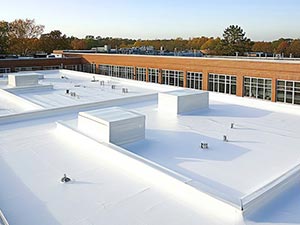
Planning a flat roof replacement is a significant step for any commercial building owner. A commercial roof protects assets, employees, equipment, and daily operations, making the process an important investment rather than a simple repair. Understanding each phase of a flat roof replacement helps reduce disruptions, improve planning, and ensure better long-term results.
Brenneman Roofing handles commercial flat roof replacement for properties in Lebanon, MO. Call (877) 370-6125 to discuss your roofing needs and schedule a consultation with experienced professionals.
Taking the time to evaluate timelines, materials, and installation methods allows building owners to make informed decisions and avoid unnecessary setbacks. A well-managed replacement process supports reliable performance and long-term protection for the entire property.
What to Expect During a Flat Roof Replacement
Every successful flat roof replacement begins with a detailed inspection and planning phase. Commercial roofs vary widely depending on building size, usage, drainage systems, insulation layers, and existing materials.
Comprehensive Roof Assessment
Professional contractors evaluate several key factors before recommending replacement:
- Structural integrity of the roof deck
- Condition of insulation and moisture levels
- Drainage performance
- Existing membrane damage
- Energy efficiency concerns
This evaluation ensures that replacement addresses underlying issues rather than simply covering visible damage.
Material Selection and Budget Planning
Commercial building owners are typically presented with multiple roofing options such as TPO, PVC, modified bitumen, or EPDM systems. Each material offers different advantages related to durability, energy performance, and maintenance requirements.
During this stage, contractors also outline project timelines, safety procedures, and cost expectations so building owners understand the scope before work begins.
The Tear-Off and Preparation Phase
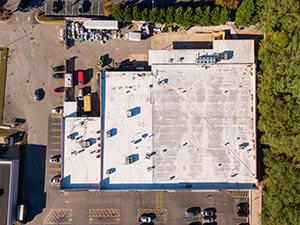
Once planning is complete, the physical flat roof replacement process begins.
Removing the Existing Roof System
The first step involves removing old roofing materials down to the deck when necessary. This allows professionals to inspect hidden components that may have deteriorated over time.
While tear-offs may sound disruptive, experienced crews coordinate work carefully to protect building operations. Debris containment systems, safety barriers, and scheduled work hours help reduce interference with daily business activities.
Inspecting and Repairing the Roof Deck
After removal, contractors inspect the structural deck for damage caused by moisture, age, or previous leaks. Any weakened sections are repaired or replaced to create a stable foundation for the new roof system.
This stage is critical because a new membrane installed over compromised decking can lead to premature failure.
Upgrading Insulation and Drainage
A professional flat roof replacement often includes improvements that enhance building performance:
- Installing modern insulation systems
- Correcting slope or drainage problems
- Improving energy efficiency
- Addressing ventilation issues
These upgrades not only protect the building but can also reduce long-term operating costs.
Installation of the New Flat Roofing System
Once preparation is complete, installation of the new roofing system begins.
Membrane Installation
Depending on the selected system, roofing crews install insulation boards followed by a waterproof membrane. Seams are heat-welded or mechanically fastened to create a continuous protective surface.
Modern flat roofing systems are designed for durability, weather resistance, and energy efficiency. Proper installation ensures protection against wind uplift, standing water, UV exposure, and temperature fluctuations.
Flashing and Waterproof Detailing
Critical areas such as vents, HVAC units, skylights, and edges receive specialized flashing treatment. These areas are common leak points, so careful detailing is essential for long-term performance.
Professional installers focus heavily on these transitions to prevent future water intrusion.
Quality Control and Safety Procedures
Throughout installation, contractors perform ongoing inspections to confirm adherence to manufacturer standards and building codes. Safety protocols protect both workers and occupants during the project.
Final Inspection and Project Completion
The final phase of a flat roof replacement focuses on verification and long-term protection.
Final Walkthrough and Testing
After installation, contractors conduct a detailed inspection that may include moisture testing, seam checks, and drainage evaluation. This ensures the roof performs as designed before project completion.
Building owners typically receive documentation outlining warranty information, maintenance recommendations, and system specifications.
Minimal Business Disruption
One of the biggest concerns for commercial property owners is downtime. Professional roofing teams schedule projects strategically to maintain business continuity whenever possible. Clear communication between contractors and facility managers helps prevent unexpected interruptions.
With proper planning, many commercial buildings remain fully operational during replacement.
Flat Roof Replacement Experts
A professional flat roof replacement is more than installing new materials. It is a structured process designed to improve durability, energy efficiency, and long-term building protection. Understanding what to expect helps reduce uncertainty, minimize disruptions, and create a smoother project experience from start to finish.
Brenneman Roofing handles commercial flat roof replacement for properties in Lebanon, MO. Call (877) 370-6125 to discuss your roofing needs and work with a team that manages every stage with experience and attention to detail.
FAQ
How long does a commercial flat roof replacement usually take?
Project timelines vary depending on building size, weather conditions, and roofing system complexity, but most commercial projects take several days to a few weeks.
Can businesses remain open during a flat roof replacement?
Yes, experienced contractors plan projects to minimize disruption, allowing many businesses to continue operating during installation.
What roofing materials are commonly used for flat roof replacement?
Popular options include TPO, PVC, EPDM, and modified bitumen systems, each offering different performance benefits.
Does replacing a flat roof improve energy efficiency?
Yes, modern insulation and reflective membranes help reduce heating and cooling costs while improving indoor comfort.