
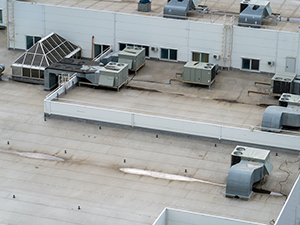
A commercial flat roof is designed to provide durable protection for large buildings, but they are constantly exposed to changing weather conditions. Over time, temperature swings, storms, and environmental factors can impact roofing materials and structural components. Regular care and professional attention help keep a flat roof performing as intended.
Brenneman Roofing provides commercial flat roof services for property owners in Lebanon, MO. Call (877) 370-6125 to help maintain a strong, reliable roofing system despite challenging weather conditions.
Environmental Impact on Flat Roof Performance
Understanding how weather affects a commercial flat roof can help building owners recognize potential problems early and protect their investment.
Heat and Sun Exposure
High temperatures and prolonged sun exposure are common factors that affect commercial flat roofs. Ultraviolet radiation can gradually weaken roofing materials, causing membranes to dry out, lose flexibility, or develop small cracks. Over time, this deterioration can lead to leaks and reduced performance.
Flat roofs are especially vulnerable because they receive direct sunlight for extended periods. Without proper maintenance or protective coatings, the roofing surface may absorb significant heat, which can increase interior temperatures and place extra strain on cooling systems.
Modern commercial roofing materials are designed to withstand heat, but regular inspections are still important to identify early signs of weather related wear.
Cold Temperatures and Freeze Cycles
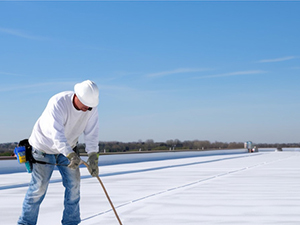
Cold weather can also affect a commercial flat roof. During winter months, temperatures in Lebanon, MO can drop significantly, causing roofing materials to contract. When temperatures rise again, the materials expand. This repeated expansion and contraction can place stress on seams, flashing, and roofing membranes.
Freeze and thaw cycles may also create problems when moisture becomes trapped within the roofing system. As water freezes, it expands and can widen small cracks or openings in the roofing surface. Over time, this process can lead to more significant structural damage if not addressed.
Professional inspections during seasonal transitions help identify these issues before they lead to major repairs.
Heavy Rain and Drainage Challenges
Flat roofs rely on carefully designed drainage systems to remove rainwater. Although they appear level, commercial flat roofs are built with a slight slope that directs water toward drains, scuppers, or gutters.
Heavy rainfall can test the effectiveness of these drainage systems. If drains become clogged with debris such as leaves or dirt, water may begin to pool on the roof surface. This condition, known as ponding water, increases pressure on the roofing membrane and can eventually lead to leaks.
Regular maintenance and cleaning help ensure that drainage components continue to function properly. Brenneman Roofing provides inspections and maintenance services that help businesses in Lebanon, MO keep their commercial flat roof drainage systems clear and efficient.
Wind and Storm Damage
Strong winds and severe storms can cause sudden damage to commercial flat roofs. Wind uplift may loosen roofing membranes, flashing, or edge materials. In extreme cases, sections of roofing may become partially detached if they were already weakened.
Storm debris can also create problems. Branches, loose objects, or hail may strike the roof surface, puncturing or damaging protective layers.
After severe weather events, it is important for building owners to have their roof inspected by experienced professionals. Prompt repairs can prevent minor damage from developing into larger structural concerns.
Snow and Ice Accumulation
Winter storms often bring snow and ice that accumulate on flat roofs. Excessive weight from heavy snow can place stress on the roofing structure, especially on large commercial buildings.
Ice buildup can also interfere with drainage systems. When snow melts during the day and refreezes overnight, ice may block drains or create small dams that prevent proper water flow.
Proper roof design and regular inspections help ensure that the roofing system can safely manage winter conditions. Roofing professionals can also identify areas where snow and ice tend to collect so that preventative solutions can be implemented.
Protecting Your Commercial Flat Roof
Weather conditions are unavoidable, but proactive maintenance can significantly reduce the risk of damage. Routine inspections, timely repairs, and preventative care help ensure that roofing materials continue to perform effectively throughout the year.
Flat Roof Specialists
Brenneman Roofing works with businesses in Lebanon, MO to evaluate commercial flat roofs and address weather-related concerns before they escalate. With professional expertise and regular maintenance, property owners can help protect their roofs from the effects of heat, cold, rain, wind, and snow.
A well-maintained commercial flat roof provides dependable protection for the building below. Understanding how weather conditions impact roofing systems allows property owners to take the right steps to preserve roof life and maintain long-term performance. Call (877) 370-6125 to schedule service and keep your roof in reliable condition.
FAQ
How often should a commercial flat roof be inspected for weather damage?
Most roofing professionals recommend inspections at least twice per year and after major storms to identify weather related damage early.
Can weather damage shorten the lifespan of a commercial flat roof?
Yes. Constant exposure to heat, cold, moisture, and wind can gradually weaken roofing materials if maintenance and repairs are delayed.
What roofing materials perform best in changing weather conditions?
Many commercial roofs use durable materials such as TPO, EPDM, or modified bitumen because they are designed to handle temperature changes and moisture exposure.