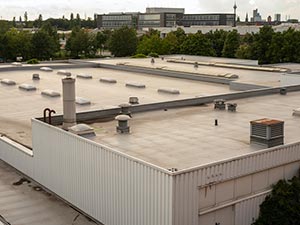
Strategic Architecture: The Realities of Commercial Roof Construction in Missouri
For commercial real estate developers, industrial facility managers, and business owners across the Show-Me State, breaking ground on a new facility or planning a major structural retrofit is a massive financial commitment. Whether you are erecting a sprawling logistics fulfillment center along the busy shipping lanes of Interstate 70 near Kansas City, or building a modern medical office park in the bustling suburbs of St. Louis, every single design decision you make directly impacts your long-term bottom line.
Among all the components of a commercial structure, the overhead barrier is arguably the most critical. It acts as your primary line of defense against the elements, a major factor in your monthly utility costs, and a key driver of your building’s overall value.
Navigating the complexities of large-scale industrial architecture requires moving far beyond basic residential building practices. Many property stakeholders view the overhead build as a simple, routine line item in a construction budget. However, seasoned asset managers know that successful development requires an analytical, forward-thinking approach to the entire building envelope.
By working with elite, technically proficient contractors, businesses can ensure their facility is built to handle heavy environmental stress from day one. Investing in high-performance commercial roof construction allows companies to secure their physical inventory, minimize unexpected maintenance costs, and maximize their building’s operational lifespan.

Technical Performance Matrix
Modern commercial roofing projects require much more than simply throwing down layers of generic material over a steel deck. They are highly engineered, multi-layered structural systems meticulously designed to manage dead loads, accommodate building settlement, and control complex thermal dynamics. The matrix below outlines how leading modern assembly methods stack up against critical structural performance standards.
| Assembly Component Type | Dead Load Structural Weight | Thermal Insulation Value (R-Value) | Primary Engineering Advantage |
| Fully Adhered Single-Ply (TPO) | Very Low ($< 1$ lb per sq ft) | High (Utilizes multi-layer polyiso boards) | Exceptional resistance to severe wind uplift and solar heat gain |
| Multi-Ply Modified Bitumen | Moderate (3–5 lbs per sq ft) | Moderate (Relies on traditional base sheets) | Extreme puncture resistance for heavy roof traffic areas |
| Structural Standing Seam Metal | Low (1.5–2 lbs per sq ft) | Variable (Requires specialized fiberglass blanketing) | Incredible lifespan with built-in thermal expansion clips |
The Engineering Physics of Low-Slope Structural Assemblies
To properly appreciate the value of a professional industrial build, it helps to look at the unique physical forces that constantly work against large-scale horizontal structures. Unlike a residential home with a steep, sloped roof that sheds water instantly using simple gravity, an industrial facility typically features an expansive, low-slope surface. These massive flat areas are inherently subjected to intense mechanical, thermal, and atmospheric pressures every single day.
The single most critical mechanical challenge in modern low-slope engineering is managing a physical phenomenon known as structural deflection. When a large commercial building experiences heavy snow accumulation, shifting dead loads from heavy HVAC equipment, or natural foundational settling, the underlying steel joists and concrete decks bend slightly.
If the waterproofing layer installed above this decking is rigid or brittle, this subtle mechanical movement will immediately shear the perimeter flashings and tear open the critical field seams.
High-performance commercial roof construction solves this problem by using advanced, highly elastomeric materials like Thermoplastic Polyolefin (TPO) or Ethylene Propylene Diene Monomer (EPDM). These modern membranes are engineered with specialized polymer chains that allow the material to stretch up to 300% of its original size without tearing.
When the underlying building structure moves or shifts, the flexible membrane moves right along with it, absorbing the mechanical stress effortlessly. This elasticity ensures that the watertight seal remains completely intact, keeping your building dry and protecting your internal operations for decades.

Why Missouri’s Extreme Climate Demands Advanced Roofing Engineering
Managing an industrial facility in this region means dealing with some of the most volatile and unpredictable weather patterns in the United States. Our unique geographical positioning at the crossroads of warm, moist air from the Gulf of Mexico and freezing arctic blasts from Canada creates an incredibly punishing environment for commercial properties.
During the spring and summer months, severe convective storms can generate powerful straight-line winds and tornadic activity. As high winds sweep across a large, flat commercial roof, they create a powerful aerodynamic vacuum effect known as wind uplift. This force tries to physically rip the roof membrane away from the underlying structural deck. If the insulation fasteners, heavy-duty plates, and perimeter edge metals are not precisely engineered to meet specific regional wind codes, the entire roof can peel back in a matter of seconds.
Furthermore, according to the comprehensive commercial building safety standards published by the National Institute of Standards and Technology (NIST), proper edge metal design and secure mechanical fastening are the absolute most critical factors in preventing catastrophic wind damage to commercial properties.
The Critical Phases of a Professional Commercial Build
Executing a successful commercial roofing project requires a highly structured, phase-based approach to ensure safety, quality, and strict building code compliance:
- Phase 1: Structural Load Analysis: Before a single piece of material is delivered, structural engineers must carefully calculate the building’s maximum weight capacity. This analysis ensures the facility can safely support the combined weight of the new roof deck, the thick insulation layers, the waterproofing membranes, and any heavy overhead mechanical equipment.
- Phase 2: Thermal Envelope Design: Technicians install multiple staggered layers of high-density polyisocyanurate (ISO) insulation boards directly over the structural deck. Staggering the joints between these boards eliminates thermal bridging, which prevents conditioned indoor air from escaping and dramatically lowers your monthly heating and cooling bills.
- Phase 3: Precision Seam Welded Integration: For a single-ply TPO build, technicians use advanced automated hot-air welding equipment to fuse the overlapping sheets together. This process uses precise heat and pressure to melt the sheets into a single, continuous layer of material, creating a seamless bond that is actually stronger than the membrane itself.
Maximizing Your Investment with Reflective Cool Roof Technology
Building a new commercial roof is a major capital investment, but choosing the right modern materials can actually turn your roof into an effective tool for lowering your monthly operating costs. Traditional dark-colored roofing materials absorb up to 90% of the sun’s intense radiant energy, heating the surface up to 160 degrees Fahrenheit and forcing your building’s air conditioning units to work incredibly hard all summer long.
By choosing a highly reflective “cool roof” white TPO membrane for your next project, you completely change how your building handles heat. These specialized, UV-stable surfaces reflect up to 85% of incoming solar heat away from your facility. This drop in thermal transfer lowers your roof’s surface temperature by up to 50 degrees, significantly reducing the workload on your HVAC systems.
This reduction in energy usage saves your business thousands of dollars in monthly utility costs during hot summer months. It also lowers your HVAC system’s peak demand stress, extending the operational lifespan of your building’s expensive climate control equipment.
A Legacy of Excellence in Commercial Architecture
While handling minor property maintenance can often be managed internally, executing a large-scale commercial roof construction project demands heavy-duty industrial equipment, meticulous project management, and specialized technical expertise. The experienced team at Brenneman Roofing delivers premier, commercial-grade installation and restoration services to property developers and managers throughout Missouri. Operating with a deep, multi-generation foundation of old-world craftsmanship and modern technical training, their certified professionals focus entirely on building durable, long-lasting structures.
Rather than relying on generic designs or cutting corners with cheap materials, their team conducts thorough physical core cuts, wind-uplift calculations, and detailed blueprints tailored specifically for your facility’s unique layout. This scientific, highly analytical approach ensures that your specific roof build is perfectly engineered for your building’s framework, helping your property maintain a perfect seal and protect your business operations for decades to come.
[Reactive Generic Installation] –> Leads to premature seam failures, wind damage, and high energy bills.
[Precision Engineered Assembly] –> Delivers extreme storm resistance, cuts utility costs, and protects asset value.
Whether you are breaking ground on a sprawling new industrial warehouse, upgrading a busy regional retail complex, or planning a long-term capital improvement project for a corporate office park, investing in professional commercial care is the smartest way to safeguard your property investment. Don’t let a poorly designed roof threaten your company’s inventory, expensive machinery, and daily productivity.
Partner with the Commercial Construction Experts
Ready to completely eliminate the risk of recurring roof leaks, drop your monthly energy overhead, and maximize your commercial property’s long-term resale value? Give your facility the durable defense, advanced materials, and expert structural engineering it needs to thrive in any weather.
Visit brennemanroofing.com right now to explore our full suite of commercial roofing options, look through our extensive portfolio of local industrial builds, or request a free, detailed project consultation from our dedicated team of commercial protection specialists!