
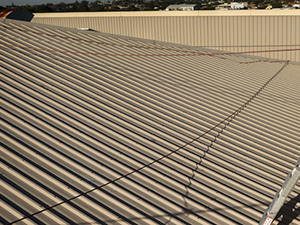
In Ozark, MO, where commercial properties face a mix of humidity, rain, and seasonal weather extremes, metal roof maintenance is more than just a routine checklist—it is a necessity. While metal roofs are valued for their durability, energy efficiency, and low maintenance, they are not immune to rust and corrosion. Over time, if neglected, even the highest-quality metal roofs can begin to deteriorate, leading to costly repairs or premature replacement.
To extend the life of your metal roof and protect your commercial building, regular maintenance and rust prevention strategies should be part of your building management plan. For expert roofing service in Ozark, MO, contact Brenneman Roofing at (877) 370-6125.
What Causes Rust and Corrosion on Metal Roofs?
Metal roofing systems are engineered to withstand tough environmental conditions, but certain factors can accelerate degradation if not properly addressed.
Water Accumulation and Ponding
Standing water on a metal roof—caused by poor drainage, clogged gutters, or low-slope design—can lead to oxidation over time. While many metal roofing systems are coated with protective finishes, prolonged exposure to water can wear away these coatings and expose the base metal to rust.
Scratches and Surface Damage
Even small scratches or dings on a metal roof can lead to rust formation if they break through the protective paint or coating. These vulnerabilities often arise during installation or due to debris, foot traffic, or falling branches.
Galvanic Corrosion
When two dissimilar metals come into contact—like aluminum and copper—galvanic corrosion can occur. This is especially common around flashing, fasteners, or HVAC equipment mounted on the roof.
Poor Maintenance Practices
Failure to remove debris, check for coating wear, or address leaks quickly can create ideal conditions for corrosion to spread, especially in seams, edges, and fastener areas.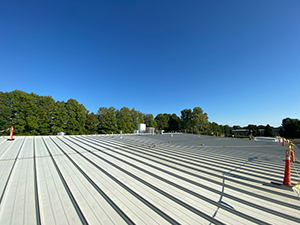
How to Maintain a Rust-Free Metal Roof in Ozark, MO
Routine Inspections
Scheduling regular inspections—ideally twice a year and after severe weather—is the first step in any effective metal roof maintenance plan. These inspections help identify early signs of wear, standing water, coating failure, or potential rust spots before they become serious issues.
Professional inspectors will check:
- Panel seams and fasteners
- Flashing and sealant conditions
- Rust-prone areas like edges and roof penetrations
- Paint integrity and coating coverage
Keep the Roof Clean
Dirt, organic debris, and leaves can trap moisture against the roof surface, creating localized corrosion. Cleaning the roof surface regularly will prevent these issues. Use soft-bristle brushes and non-abrasive solutions to avoid damaging protective coatings.
Additionally, clear out gutters, scuppers, and downspouts to ensure proper water drainage.
Re-Coat When Needed
Metal roofs are typically finished with protective paint or coatings like Kynar 500 or acrylic. Over time, these coatings wear down due to UV exposure, mechanical damage, or chemical pollutants. Recoating your roof every 10–15 years—or sooner if visible fading or chalking occurs—can significantly extend its lifespan.
Modern coatings offer rust-inhibiting properties and UV reflectivity, improving both durability and energy efficiency.
Repair Minor Damage Immediately
Any scratches, punctures, or exposed areas should be repaired promptly. Use rust-inhibiting primers and touch-up paints designed for metal roofing. Seams and fasteners that loosen over time should be re-secured and sealed to prevent moisture entry.
Never delay repairs to seemingly minor damage; once rust sets in, it spreads quickly.
Watch for Corrosion-Causing Contact
Avoid mounting dissimilar metals or incompatible materials directly onto your metal roof. HVAC units, satellite dishes, and plumbing vents should be installed with proper flashing and barrier materials to avoid galvanic reactions. Be cautious when hiring contractors to work on or around the roof—damage during other maintenance projects is a common cause of corrosion.
Metal Roof Maintenance Experts!
Do not wait for rust to become visible before acting. Whether your roof is five or fifteen years old, consistent upkeep will save you money, time, and stress in the long run. If your facility is located in Ozark, MO, contact Brenneman Roofing at (877) 370-6125 for a customized metal roof maintenance assessment tailored to your building.
FAQ
How often should I inspect my metal roof for rust?
Twice yearly inspections—once in the spring and once in the fall—are recommended, along with an inspection after major storms or severe weather.
Can rust on a metal roof be removed?
Yes, small rust spots can often be removed using a wire brush and treated with a rust-inhibiting primer and topcoat. Larger areas may require professional restoration.
What is the lifespan of a metal roof with proper metal roof maintenance?
With consistent maintenance, a metal roof can last 40–70 years, depending on the material and environmental exposure.
What kind of coating prevents rust?
Acrylic, silicone, or PVDF (Kynar) coatings are commonly used to prevent rust and provide UV resistance. These should be reapplied as recommended by the manufacturer.
Can I pressure wash my metal roof?
Yes, but with caution. Use low pressure and appropriate cleaners. Avoid harsh chemicals or abrasive tools that could damage the protective coating.