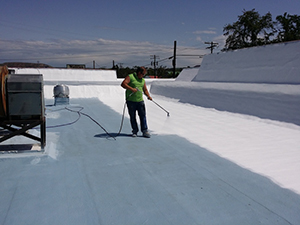
Roof Restoration – Ozark, MO

In Ozark, MO, where seasonal storms and temperature shifts are part of life, maintaining the integrity of a commercial building’s roof is more than a necessity—it’s a smart business decision. Yet many property owners overlook one of the most cost-effective solutions available: roof restoration. Unlike a full roof replacement, restoration involves repairing and upgrading your existing system to extend its life and improve performance.

If you own or manage a commercial property now is the time to explore the real facts about roof restoration. For expert advice and service, call Brenneman Roofing located nearby in Ozark, MO by calling (877) 370-6125 to schedule a consultation.

Top Facts About Roof Restoration

Roof Restoration Is Not the Same as Roof Replacement

One of the most common misconceptions is that roof restoration is just a partial roof replacement. In reality, restoration focuses on repairing, reinforcing, and sealing your existing roofing system without removing and discarding large sections.

This approach saves time and labor costs, minimizes business disruptions, avoids sending tons of roofing material to landfills, and delivers a waterproof, UV-resistant coating that rejuvenates your roof.

Restoration can often add 10 to 15 years of life to a commercial roof at a fraction of the cost of a full tear-off.

Not All Roofs Qualify for Restoration—Inspection Is Key

Before starting a restoration project, it’s critical to determine if the roof is structurally sound enough to be restored. A professional inspection will assess the extent of water damage or saturation, the number of existing roof layers, the condition of flashings, seams, and underlying decking, and whether there are signs of mold, rot, or compromised insulation.

For many flat and low-slope commercial roofs—especially those made of TPO, EPDM, or modified bitumen—a restoration coating system is an ideal solution. But if more than 25–30% of the roof is severely damaged, a full replacement might be more cost-effective in the long run.

Roof Restoration Improves Energy Efficiency
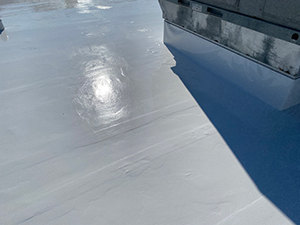
Roof Restoration - Ozark, MO 2

Modern restoration systems typically involve the application of reflective roof coatings, which can dramatically reduce the building’s energy consumption. White or light-colored coatings reflect up to 85% of solar heat, leading to lower indoor temperatures, reduced HVAC strain, and lower cooling costs during hot Missouri summers.

This energy efficiency can translate into long-term savings and may qualify your building for tax credits or energy rebates. In an era of rising utility bills, roof restoration offers both environmental and financial benefits.

Roof Restoration Can Be Done Without Major Business Disruptions

Commercial property owners are often hesitant to schedule roofing work due to the potential disruption to tenants or operations. One of the key advantages of roof restoration is that it is far less invasive than a full replacement.

Restoration projects require fewer heavy-duty materials and equipment, often don’t need complete roof tear-offs, and can be done in stages or outside regular business hours.

For businesses that can’t afford significant downtime—such as warehouses, offices, or retail centers—roof restoration provides an efficient and minimally intrusive solution.

Routine Maintenance After Restoration Is Critical

While a restored roof can significantly extend the lifespan of your roofing system, it still requires ongoing maintenance. Regular inspections, minor repairs, and timely recoating (when needed) will ensure you get the full value out of the restoration.

It’s also a good idea to clear debris regularly from drains and gutters, inspect seams and flashing after storms, address ponding water promptly, and keep records of all maintenance and inspections.

By proactively caring for your restored roof, you’re not only preserving its integrity but also protecting your warranty and minimizing future repair costs.

Roof Restoration Experts!

In Missouri, the changing weather can take a toll on your commercial roofing system. But before you commit to a costly replacement, consider the advantages of roof restoration. Whether your roof is aging, showing minor leaks, or simply not performing efficiently, a professional assessment could reveal that restoration is a smart and sustainable alternative.

Call Brenneman Roofing in Ozark, MO today at (877) 370-6125 to schedule a roof inspection and learn whether your property qualifies for a restorative solution.

FAQ

How long does a roof restoration project take?

Most commercial roof restorations can be completed in a few days to a week, depending on the size and condition of the roof.

Is roof restoration covered by insurance?

It depends on the circumstances. Insurance may cover restoration if it’s related to storm damage, but pre-existing wear and tear often isn’t included. Always consult your provider.

What types of commercial roofs can be restored?

Common candidates include EPDM, TPO, PVC, metal, and modified bitumen systems. A thorough inspection will determine suitability.

How much can I save with restoration versus replacement?

Restoration typically costs 30-50% less than a full replacement, depending on materials and labor.

How do I know if my roof is restorable?

The only way to know for sure is through a professional inspection. Key indicators include minimal water saturation, sound decking, and limited structural damage.

Metal Roof Repair – Ozark, MO

Metal Roof Repair - Ozark, MO 1

Commercial buildings face year-round exposure to harsh elements, including intense sun, heavy rain, snow, and strong winds. Although metal roofing is known for its strength and longevity, it can still suffer from wear and damage over time. Unfortunately, many building owners delay needed repairs, often underestimating how quickly a minor issue can turn into a serious problem.

If you’re noticing leaks, rust spots, or panel warping on your metal roof, now is the time to act. For timely and professional metal roof repair services locally, reach out to Brenneman Roofing in Ozark, MO at (877) 370-6125 to schedule an inspection before it’s too late.

What Happens When You Delay Metal Roof Repairs

Metal roofs are tough, but like any structure, they degrade when neglected. Even seemingly minor issues like a tiny puncture or a slightly lifted seam can lead to significant structural consequences over time.

Here are the most common results of putting off repairs:

Water Damage: Leaks caused by damaged seams or fasteners can allow water to infiltrate the roof deck and interior. This leads to rot, mold, and damage to insulation and interior finishes.

Corrosion: If protective coatings are scratched or worn away, metal panels can begin to rust—especially in the humid or wet seasons in Missouri. Once corrosion sets in, panels lose their strength and integrity.

Energy Loss: Damaged or loose panels allow heat to escape during the winter and enter during the summer. This compromises your building’s thermal envelope, driving up energy costs and stressing HVAC systems.

Increased Repair Costs: Small issues can often be fixed affordably. But wait too long, and the entire system may require extensive repairs or even full replacement—at a much higher cost.

Risk to Business Operations and Safety

Metal Roof Repair - Ozark, MO 2

Delaying metal roof repair isn’t just a building issue; it becomes a business liability. Roof-related problems can disrupt daily operations, threaten product inventory, and put occupants at risk.

Operational Downtime: A sudden roof failure or serious leak can force you to shut down sections of your business temporarily—impacting revenue and customer trust.

Interior Asset Damage: Offices, warehouses, and retail spaces store high-value equipment and inventory. Water intrusion can cause irreversible damage to electronics, paper records, and merchandise.

Structural Hazards: Persistent leaks can weaken support beams or lead to ceiling collapses. This puts your employees, clients, and tenants at risk—something no responsible building owner can afford.

Code Violations and Insurance Issues: Ignored maintenance can result in non-compliance with local building codes. Moreover, if damage escalates due to neglect, insurance companies may reduce coverage or deny claims altogether.

In short, what seems like a manageable problem now could develop into a financial and legal nightmare later.

Preventative Thinking Pays Off

Metal roofs, when properly maintained, can last 40–70 years. But that potential is only realized when issues are addressed promptly. Preventive maintenance and timely repairs extend the life of the roof and deliver long-term savings.

Key benefits of early repair include reduced likelihood of emergency repair needs, improved insulation and indoor climate control, retention of manufacturer warranties, enhanced property value and curb appeal, and peace of mind during storms and winter seasons.

In Ozark, MO’s varied climate, it’s essential to plan for seasonal inspections. Catching loose screws, small rust patches, or degraded sealants early is far more cost-effective than reacting to a catastrophic failure.

Act Now—Don’t Wait for the Next Leak

If your commercial building has a metal roof, don’t delay addressing any signs of wear or damage. The longer you wait, the more expensive and riskier the situation becomes.

Get ahead of costly consequences by scheduling a professional inspection and repair consultation with Brenneman Roofing in Ozark, MO. Call (877) 370-6125 today and ensure your roof remains strong, secure, and leak-free for years to come.

FAQ

How often should a commercial metal roof be inspected?

Ideally, at least twice a year—once in the spring and once in the fall. After major storms, inspections should be conducted immediately to catch any damage.

Can rusted areas be repaired, or do they require replacement?

Minor surface rust can be treated and resealed. However, extensive corrosion may require panel replacement, especially if structural integrity is compromised.

What signs indicate immediate metal roof repairs are needed?

Common signs include leaks, loose fasteners, lifted seams, rust spots, discoloration, and warped panels. Any of these should prompt immediate inspection.

Will my business operations be affected during roof repairs?

In most cases, metal roof repairs can be done with minimal disruption to operations. Professional contractors work to schedule repairs around your needs.

How long do metal roof repairs typically take?

The time varies depending on the damage, but small repairs may be completed in a day or two. Larger restoration projects can take a week or more.

Flat Roof – Ozark, MO

Flat Roof - Ozark, MO 1

For commercial building owners, choosing the right roofing system is a crucial decision for long-term property protection and energy efficiency. Among the many options available, flat roofs remain a popular choice thanks to their cost-effectiveness, low maintenance requirements, and ability to accommodate HVAC units or solar panels. However, the performance of a flat roof depends largely on the quality of its installation. If you’re planning to install a new flat roof or replace an aging one, Brenneman Roofing in Ozark, MO is ready to help. Call (877) 370-6125 to speak with experienced professionals.

Basics of Flat Roof Installation

Flat roofs aren’t technically “flat”—they are designed with a very slight pitch (typically 1/4 inch per foot) to allow for proper drainage. Installation is a multi-step process that demands precision, technical knowledge, and weather consideration. Here’s a step-by-step overview of what commercial property owners should expect when installing a flat roof:

1. Preparation and Roof Deck Evaluation

The first step in flat roof installation is a thorough evaluation of the existing roof structure (if it’s a replacement) or the new deck (for new construction). This includes:

Assessing the substrate: Ensuring the deck is level, clean, and structurally sound.

Removing old roofing material: For replacements, all deteriorated or incompatible layers must be removed to prevent moisture entrapment.

Checking for slope and drainage: Drainage planning is essential to prevent ponding water, which is a common issue with flat roofs.

Proper preparation ensures the roofing membrane will adhere correctly and last its full life span.

2. Installation of Insulation Layer

Flat Roof - Ozark, MO 2

Insulation is key for controlling indoor temperatures and enhancing energy efficiency. Common insulation materials for flat roofs include:

Polyisocyanurate (ISO): The most common and efficient type.

Extruded Polystyrene (XPS): Durable and moisture-resistant.

Expanded Polystyrene (EPS): Economical, though less moisture-resistant.

These layers are usually tapered to promote water runoff. They are mechanically fastened or adhered directly to the deck, depending on the system design and substrate material.

3. Vapor Barrier and Underlayment

In climates like Missouri’s, a vapor barrier is essential to prevent condensation buildup within the roof assembly. The vapor barrier layer is installed beneath the insulation and sealed to prevent moisture intrusion. An additional underlayment might be applied to serve as a bonding surface and improve membrane adherence.

4. Membrane Application

This is the most critical phase of a flat roof installation. There are several types of membranes used in commercial flat roofs:

TPO (Thermoplastic Polyolefin): Heat-welded seams, energy-efficient, and resistant to UV and chemical exposure.

EPDM (Ethylene Propylene Diene Monomer): A rubber membrane known for flexibility and durability.

PVC (Polyvinyl Chloride): High resistance to chemicals and fire, often used in restaurants or manufacturing facilities.

Membranes can be applied in three main ways:

Fully Adhered: Glued directly to the insulation.

Mechanically Fastened: Secured with screws and plates.

Ballasted: Held in place with gravel or pavers (less common today).

Each method has its own set of advantages and ideal applications. The membrane is installed in rolls with seams welded or adhered to form a waterproof seal.

5. Flashing and Edge Detail Work

Once the main membrane is in place, special attention is given to roof penetrations (vents, HVAC units, skylights) and perimeter edges. Flashing is installed to seal these vulnerable areas and prevent water infiltration. High-quality flashing ensures longevity and prevents leaks in the most stress-prone parts of the roof.

6. Drainage and Final Inspection

Before concluding the project, drains, scuppers, and gutters are installed or reconnected to channel water efficiently off the roof. A final inspection is conducted to check the membrane, seams, flashing, and overall workmanship. Often, a leak test is performed to ensure watertightness before handing over the roof for occupancy.

Flat Roof Experts

Flat roof installation is highly weather-sensitive, especially in areas like Ozark, MO, where humidity and storms can delay progress. The best times for installation are spring and fall, when temperatures are more moderate. Summer heat can interfere with adhesive curing, while winter conditions may affect membrane flexibility and proper sealing.

After installation, building owners should schedule routine inspections twice a year and following any major weather events. Keeping drains clear and documenting changes to the roof—such as new equipment—can help extend its lifespan and maintain warranty compliance.

When properly installed, a flat roof offers a reliable and efficient solution for commercial buildings. From material selection to drainage design, every step matters for long-term performance. If you’re ready to start your flat roofing project, don’t leave it to chance—call Brenneman Roofing in Ozark, MO at (877) 370-6125 for expert guidance and dependable service.

FAQ

How long does it take to install a commercial flat roof?

Installation time depends on the size and complexity of the building, but most projects take between 1 to 2 weeks under normal weather conditions.

What is the best flat roofing material for commercial buildings?

TPO and PVC are popular for their durability and energy efficiency. EPDM is also widely used for its flexibility and long lifespan. The best option depends on your building use, climate, and budget.

How do I know if my existing flat roof needs replacement or repair?

Signs include persistent leaks, ponding water, membrane shrinkage, or visible cracks. A professional inspection can determine the extent of the damage.

Can flat roofs support equipment like HVAC units or solar panels?

Yes, flat roofs are ideal for such installations. However, the structure must be assessed for weight capacity, and penetrations must be properly flashed and sealed.

Are flat roofs more prone to leaking?

Flat roofs are not inherently leak-prone if properly installed and maintained. Drainage design and regular inspections are key to avoiding issues.

Commercial Roofing – Ozark, MO

Commercial Roofing - Ozark, MO 1

If you own or manage a commercial building in Ozark, MO, maintaining the integrity of your roof is one of your key responsibilities. A durable, properly installed commercial roofing system protects your building, inventory, employees, and clients from the elements. Yet for many property owners, commercial roofing can be an area of uncertainty. What type of roofing is best? How long should it last? When should it be inspected or replaced?

To help you make informed decisions, this article from Brenneman Roofing answers some of the most frequently asked questions about commercial roofing. For expert advice or service in Ozark, call (877) 370-6125 to speak with a roofing professional today.

What Makes Commercial Roofing Different from Residential Roofing?

One of the most common areas of confusion is the difference between commercial and residential roofing. While both serve the basic purpose of protecting a structure, they differ significantly in design, materials, and installation methods.

Flat or Low-Slope Designs

Most commercial buildings feature flat or low-slope roofs, which require different waterproofing and drainage strategies than pitched residential roofs. These designs maximize usable space and are often used for HVAC systems or solar panels.

Specialized Materials

Commercial Roofing - Ozark, MO 2

Commercial roofs commonly use materials like:

TPO (Thermoplastic Polyolefin): A single-ply membrane known for energy efficiency and durability.

EPDM (Ethylene Propylene Diene Monomer): A synthetic rubber membrane valued for its long service life.

Modified Bitumen and Built-Up Roofing (BUR): Layered systems offering enhanced protection in high-traffic or heavy-use areas.

Metal Roofing: Durable and long-lasting, though typically more expensive upfront.

These systems are tailored for larger surface areas and require skilled contractors trained in commercial installation protocols.

How Long Does a Commercial Roof Last?

The lifespan of a commercial roofing system in Ozark, MO, depends on the material used, local climate conditions, and how well the roof is maintained over time.

Estimated Lifespans by Material:

  • TPO and PVC: 15–30 years
  • EPDM: 20–25 years
  • Modified Bitumen: 15–20 years
  • Metal Roofing: 30–50 years

Routine inspections and preventive maintenance can significantly extend these lifespans. Neglecting upkeep, on the other hand, can cause premature failure—even in high-quality systems.

For businesses in Ozark, where seasonal storms and fluctuating temperatures are common, roofs should be inspected at least twice a year to catch issues before they escalate.

What Are the Warning Signs of a Failing Roof?

Catching issues early is key to avoiding costly damage. Here are some common warning signs that your commercial roof may need repair or replacement:

  • Water Leaks or Stains: Moisture intrusion is often the first sign of roofing failure.
  • Ponding Water: Standing water indicates poor drainage and can lead to structural damage.
  • Blisters, Cracks, or Tears: These can compromise the membrane’s integrity and allow water in.
  • Rising Energy Bills: Heat loss through an aging roof can increase utility costs.
  • Loose Flashing or Fasteners: These elements secure the roof system and protect vulnerable areas.

If any of these signs appear, a professional inspection should be scheduled immediately.

How Can I Choose the Right Roofing System?

Selecting the right commercial roofing system involves several factors:

  • Building Use: Warehouses, restaurants, office buildings, and healthcare facilities have different needs.
  • Budget: Some systems have higher upfront costs but lower lifetime maintenance expenses.
  • Environmental Concerns: Energy-efficient and reflective materials can reduce HVAC usage.
  • Roof Traffic: If people frequently access your roof for maintenance or operations, more durable surfaces may be required.

Professional roofing contractors like Brenneman Roofing will assess your building and recommend a solution based on durability, cost-effectiveness, and long-term performance.

Commercial Roofing Professionals

Whether you’re planning a new build, managing an aging roof, or recovering from storm damage, understanding the essentials of commercial roofing helps you make better decisions and protect your investment. Commercial property owners can benefit from professional assessments, proactive maintenance, and quality installations designed to last.

To get clear answers and reliable service, contact Brenneman Roofing in Ozark, MO at (877) 370-6125 and schedule a consultation tailored to your building’s needs.

FAQ

Can I install a new roof over an existing one?

In some cases, yes. This is called a “roof overlay” and depends on the condition of the existing roof and local building codes. A professional inspection is required to determine feasibility.

What is the most energy-efficient roofing system?

TPO and white PVC roofing systems are highly reflective and reduce heat absorption, making them ideal for improving energy efficiency in commercial buildings.

How long does it take to install a commercial roof?

Timelines vary based on roof size, material, and complexity, but most installations take between a few days and two weeks.

Is preventative maintenance really necessary?

Yes. Regular maintenance helps detect small issues early, avoids costly repairs, and keeps your warranty valid.

TPO Roof Repair – Brookline, MO

For commercial property owners in Brookline, MO, maintaining a durable and weather-resistant roof is essential to protecting valuable assets, tenants, and day-to-day operations. TPO (Thermoplastic Polyolefin) roofing systems are widely favored for their energy efficiency, affordability, and ease of installation. However, like any roofing system, they are not immune to damage over time. When signs of wear and tear are ignored, the consequences can be both costly and disruptive. If your TPO roof is showing signs of stress or deterioration, now is the time to act. For professional TPO roof repair in Brookline, call Brenneman Roofing at (877) 370-6125 to avoid severe damage down the line.

Consequences of Ignoring TPO Roof Repair Service

TPO Roof Repair – Brookline, MO1

Escalating Water Damage and Mold Growth

Neglecting even minor TPO roof issues can quickly escalate into serious water intrusion. TPO membranes are designed to be waterproof, but once they develop cracks, punctures, or seam separations, rainwater can seep into the underlying structure. Brookline, MO sees its fair share of rainy seasons, and even a small leak can lead to interior damage if left unchecked.

Water infiltration may not always be immediately visible. Over time, moisture can accumulate under the membrane or within insulation layers, leading to rot, ceiling stains, and costly structural weakening. Perhaps more concerning is the potential for mold growth, which thrives in damp, enclosed environments. Mold in a commercial building not only poses a health risk to occupants and employees but can also trigger building code violations, tenant complaints, and legal liabilities.

Preventative inspections and timely TPO roof repair reduce the likelihood of these problems by addressing vulnerable areas before they allow water to penetrate the roof system. In many cases, early repairs can restore the roof’s waterproofing abilities without requiring a full replacement.

Energy Inefficiency and Rising Utility Costs

TPO Roof Repair – Brookline, MO2

One of the main reasons commercial building owners in Brookline choose TPO roofing is for its energy-saving properties. TPO membranes are typically white or light-colored, helping reflect UV rays and reduce heat absorption—a valuable feature during Missouri’s hot summers. But when the membrane is compromised, its energy-efficient benefits begin to deteriorate.

Cracks or punctures in a TPO roof allow heat to transfer more easily into the building, forcing HVAC systems to work harder to maintain comfortable indoor temperatures. Damaged seams can also lead to insulation exposure, reducing its effectiveness and increasing energy consumption.

Over time, higher utility bills can significantly impact operational expenses. What might have started as a minor defect could now be costing you hundreds—or even thousands—of dollars each year. By addressing TPO roof repairs promptly, building owners can protect their investment and continue to enjoy the insulation and energy efficiency benefits that TPO systems are known for.

Shortened Roof Lifespan and Unplanned Replacement

TPO roofing systems typically offer a service life of 20 to 30 years with proper maintenance. However, neglecting minor damage or delaying essential repairs can drastically shorten that expected lifespan. Exposure to harsh weather, UV rays, wind uplift, and foot traffic can all accelerate the breakdown of compromised sections, especially if they are already vulnerable.

When small problems go unrepaired, they tend to multiply. For example, a minor tear left unaddressed can widen with time and exposure, resulting in widespread membrane failure. In these cases, repairs may no longer be sufficient, and a full roof replacement becomes the only viable option.

Unplanned roof replacements are not only costly but also disruptive to your business operations. Depending on the building type and size, a complete replacement can take days or weeks to complete and may require temporary closures or logistical adjustments for tenants. These interruptions can cause revenue loss, project delays, and strained relationships with tenants or clients.

Proactive TPO roof repair is the key to avoiding these scenarios. Scheduling regular inspections and addressing damage promptly ensures that your roof lasts as long as it was designed to—and possibly longer.

TPO Roof Repair Experts

In Brookline, MO, where weather conditions and daily wear pose constant threats to commercial roofing systems, regular attention to your TPO roof is not optional, it is essential. Delaying necessary repairs can invite a host of problems, including water damage, reduced energy efficiency, and premature roof failure. To keep your building protected, energy-smart, and structurally sound, act now before minor issues turn into major liabilities. For trusted and timely TPO roof repair, contact Brenneman Roofing today at (877) 370-6125.

FAQ

How do I know if my TPO roof needs repair?

Signs include ponding water, cracks, open seams, punctures, and increased energy bills. An inspection by a qualified roofing professional can confirm the damage.

Can a TPO roof be repaired or does it need full replacement?

Many TPO roofing issues can be fixed with localized repairs, especially if caught early. Replacement is only necessary in cases of widespread or severe damage.

How often should I inspect my TPO roof?

At minimum, twice a year—ideally in the spring and fall—and after major weather events. Regular inspections help catch issues before they escalate.

What tools are used in TPO roof repair?

Tools may include heat welders for sealing seams, membrane patches, and sealants specifically designed for TPO materials.

How long does a typical TPO roof repair take?

Most repairs can be completed within a few hours, depending on the size and severity of the damage.

Foam Roofing – Brookline, MO

Foam Roofing - Brookline, MO1

For commercial building owners in Brookline, MO, the performance of a roofing system can greatly impact energy costs, maintenance demands, and building protection. As businesses increasingly seek durable and cost-effective roofing solutions, foam roofing has emerged as a leading choice in the commercial roofing sector. Known for its seamless application and superior insulation properties, foam roofing provides long-term benefits for businesses looking to cut costs and extend the life of their roofing system. If you are considering foam roofing for your commercial property, now is the perfect time to explore its advantages. For expert service in Brookline, MO, contact Brenneman Roofing at (877) 370-6125.

What Makes Foam Roofing Ideal?

Foam roofing, commonly referred to as SPF (Spray Polyurethane Foam) roofing, is applied as a liquid that expands into a dense, solid foam, forming a continuous, waterproof surface. It is typically finished with a protective coating that enhances durability and UV resistance. This method is especially effective for commercial buildings due to its adaptability to various roof shapes, slopes, and materials.

One of the most compelling benefits of foam roofing for commercial buildings is its seamless and self-adhering nature. Unlike traditional membrane or shingle systems that involve multiple layers and joints, SPF roofing eliminates common leak points. This is particularly advantageous in Brookline’s fluctuating climate, where seasonal expansion and contraction can strain seams and cause cracking over time.

Additionally, foam roofing adds a layer of superior thermal insulation, which is critical for reducing HVAC usage in large buildings. The high R-value of SPF material minimizes heat transfer, leading to noticeable reductions in heating and cooling expenses. This efficiency helps commercial property owners keep operational costs in check year-round.

Long-Term Durability and Easy Maintenance

Foam Roofing - Brookline, MO2

For any commercial property owner, longevity and ease of maintenance are key considerations. Foam roofing stands out in this regard, offering a service life of up to 30 years or more when properly maintained. Unlike other systems that require regular re-roofing or complicated patchwork, foam roofing can often be refreshed with a new topcoat rather than a full replacement.

The light weight of SPF also means less structural stress on buildings—important for older structures or those not designed to bear heavy roofing loads. Furthermore, foam roofing is naturally resistant to pests, wind uplift, and even minor hail impact, making it an excellent all-weather option in Brookline, MO.

Routine inspections and cleaning help extend the life of the foam roof, and minor damage can usually be repaired easily without replacing large sections. This makes it a practical choice for commercial property owners looking to keep maintenance costs low while ensuring a secure building envelope.

Energy Savings and Sustainability Benefits

With growing emphasis on green building practices, foam roofing has gained popularity not just for its energy efficiency but also for its environmental advantages. SPF roofing systems can reduce energy consumption by up to 30%, thanks to their airtight insulation and reflective coatings that deflect solar heat.

Commercial properties in Brookline can particularly benefit from this feature during hot Missouri summers. In addition, foam roofing systems often qualify for LEED credits and other sustainability certifications, aligning well with eco-conscious business models.

Unlike traditional roof tear-offs that produce enormous amounts of waste, foam roofing can often be applied directly over existing roofing material, minimizing landfill use. The ability to recoat instead of replacing the entire system further reduces environmental impact.

These energy and sustainability benefits make SPF a compelling long-term investment for business owners concerned not only with savings but with corporate social responsibility.

Foam Roofing Experts

In Brookline, MO, where commercial property owners must contend with weather extremes and rising energy costs, foam roofing offers a smart, sustainable solution that checks all the boxes: performance, durability, cost-efficiency, and ease of maintenance. Whether you are upgrading your existing roof or planning new construction, SPF roofing is a wise investment in your building’s future. For trusted service and expert guidance on foam roofing installation and maintenance, reach out to Brenneman Roofing today at (877) 370-6125.

FAQ

How long does foam roofing last?

With proper maintenance and periodic recoating every 10–15 years, foam roofing systems can last over 30 years.

Is foam roofing good for flat commercial roofs?

Yes, foam roofing is especially effective on flat or low-slope roofs because it provides seamless coverage and prevents ponding water.

Can foam roofing be applied over an existing roof?

In many cases, yes. Foam roofing can be applied over existing substrates, eliminating the need for a full roof tear-off and reducing installation costs.

How does foam roofing improve energy efficiency?

SPF has a high R-value, providing excellent insulation and reducing the need for heating and cooling, leading to significant energy savings.

Does foam roofing require a lot of maintenance?

Minimal maintenance is needed. Annual inspections and timely recoating help maintain the system’s performance and extend its lifespan.

Metal Roof Maintenance Checklist

blank

For commercial building owners in Brookline, MO, maintaining the condition of your metal roof is a critical step toward protecting your property, enhancing energy efficiency, and avoiding costly repairs. Metal roofs are highly durable and long-lasting, but like any roofing system, they require consistent upkeep to perform at their best. Metal roof maintenance helps extend the lifespan of your investment and ensures your building stays safe, dry, and functional year-round. If you need expert help maintaining your commercial metal roof, contact Brenneman Roofing today at (877) 370-6125 for reliable service in Brookline, MO.

Key Metal Roof Maintenance Considerations

Routine Inspections: The First Step on the Metal Roof Maintenance Checklist

One of the most important elements of maintaining a commercial metal roof is conducting routine inspections. Ideally, inspections should occur at least twice a year, preferably in the spring and fall—and immediately after severe weather events such as hailstorms or heavy winds, which are not uncommon in Brookline, MO.

During an inspection, you or a qualified professional should look for signs of:

  • Loose or missing fasteners
  • Damaged or rusted panels
  • Sealant deterioration
  • Ponding water or poor drainage
  • Gaps in flashing around penetrations like vents and HVAC units
blank

Regular inspections can catch minor issues before they develop into larger, more expensive problems. Commercial roofs, in particular, are subject to significant wear and tear from environmental exposure, and early intervention is key to maintaining the structural integrity of the roof and the building as a whole.

Cleaning and Debris Removal: A Simple Yet Essential Task

While it may seem minor, cleaning and debris removal are vital parts of any metal roof maintenance checklist. Debris such as leaves, branches, and dirt can accumulate on your commercial roof, leading to moisture retention, corrosion, and even physical damage over time.

Gutters and drainage systems should also be cleared regularly to prevent water buildup, which can lead to leaks and internal damage. Keeping the roof surface clean not only improves its appearance but also allows for more accurate inspections, as hidden damage can be easily overlooked if the roof is covered in debris.

In Brookline, MO, where seasonal storms and high winds can quickly scatter debris onto rooftops, scheduling regular cleanings is a smart strategy to protect your commercial property investment.

Checking for Rust and Corrosion: Protecting Metal’s Integrity

Despite metal roofs’ durability, they are not completely immune to rust and corrosion, especially if coatings wear off or fasteners become compromised. Part of your maintenance checklist should include a thorough examination of the roof for any early signs of oxidation.

Look for:

  • Discoloration or reddish patches
  • Pitting or flaking metal
  • Compromised seams and joints

If rust is detected early, it can often be cleaned off, and the area can be treated and re-coated to prevent further damage. However, left unchecked, corrosion can weaken panels and lead to leaks or structural failures. Commercial building owners in Brookline, MO, can benefit greatly from professional evaluations and spot treatments to maintain a watertight, corrosion-resistant roof for years to come.

Maintaining Sealants and Fasteners: Securing Your Roof’s Durability

Another essential aspect of metal roof maintenance is checking the condition of all sealants and fasteners. Over time, sealants can dry out, crack, or peel away due to temperature fluctuations and UV exposure, while fasteners can loosen or become damaged, leading to potential water infiltration.

During maintenance visits, ensure that:

  • Old or failing sealant is removed and replaced
  • Loose or missing fasteners are tightened or replaced
  • Flashing is secure and properly sealed

Sealants and fasteners play a critical role in keeping your commercial metal roof watertight and firmly anchored. Paying attention to these small but vital components will significantly enhance your roof’s lifespan and performance.

Metal Roof Maintenance Experts

A properly maintained metal roof can provide commercial building owners in Brookline, MO, with decades of dependable protection. However, neglecting regular metal roof maintenance tasks can shorten the roof’s lifespan, expose the building to damage, and lead to expensive emergency repairs. If you want to make sure your metal roof remains a strong asset for your business, call Brenneman Roofing at (877) 370-6125 today and schedule metal roof maintenance for your building in Brookline, MO.

FAQ

How often should a commercial metal roof be inspected?

Inspections should be conducted at least twice a year and after major weather events to identify and address any potential issues early.

What are the most common maintenance needs for metal roofs?

Cleaning debris, checking for rust, resealing seams, tightening fasteners, and ensuring proper drainage are some of the most common maintenance tasks.

Can I perform metal roof maintenance myself?

While minor cleaning tasks can sometimes be handled by building owners, inspections and repairs should generally be performed by roofing professionals to ensure safety and effectiveness.

What happens if I ignore maintenance for my metal roof?

Ignoring maintenance can lead to rust, leaks, energy inefficiency, and premature roof failure, resulting in costly repairs or even full roof replacement.

Is preventative maintenance really worth it for a metal roof?

Absolutely. Preventative maintenance extends the roof’s life, reduces repair costs, maintains energy efficiency, and protects your investment in the long term.

Commercial Roof Inspection Signs

Commercial Roof Inspection Signs1

For commercial property owners in Brookline, MO, maintaining the structural integrity of your building starts at the top — with your roof. Regular commercial roof inspections are a crucial step in preventing costly damage, ensuring energy efficiency, and protecting the long-term value of your investment. Knowing when to schedule a commercial roof inspection can make all the difference between a simple repair and a full roof replacement. If you suspect your roof may need attention, don’t wait—contact Brenneman Roofing today at (877) 370-6125 for expert service in Brookline, MO.

Commercial Roof Inspection Red Flags

Visible Damage: A Clear Indicator That Inspection Is Needed

One of the most obvious signs that your commercial roof needs an inspection is the presence of visible damage. This can include cracks, punctures, torn membranes, missing panels, or detached flashing. Damage is often caused by severe weather events such as hailstorms, high winds, or even the gradual wear and tear from seasonal temperature changes.

Ignoring visible damage can lead to major problems like water infiltration, mold growth, and insulation failure, all of which can threaten the safety of the building’s occupants and the contents inside. A prompt commercial roof inspection by experienced professionals ensures that any minor damage is detected and addressed before it worsens.

In Brookline, MO, where weather conditions can be unpredictable, regular inspections following a storm or during seasonal changes are especially important for commercial property owners who want to avoid emergency repairs.

Leaks and Water Stains: Signs of Hidden Roof Issues

Water stains on ceilings, walls, or even floors are telltale signs that your roof’s protective barrier has been compromised. Even if the leak seems small, it can indicate serious underlying issues, such as membrane breaches, flashing failures, or clogged drainage systems.

Commercial roofs, especially flat or low-slope ones, can pool water if drainage systems are faulty. With the passage of time, standing water can accelerate roof deterioration and lead to structural weakening.

If you notice damp spots, peeling paint, or the smell of mildew inside your building, it is time to schedule a commercial roof inspection. Early detection and repair can save thousands of dollars on restoration costs and help maintain a safe, healthy environment for your employees and customers in Brookline, MO.

Aging Roof Systems: Time Alone Is a Reason for Inspection

Commercial Roof Inspection Signs

Even if there are no obvious signs of damage, the age of your commercial roof itself is a major factor in determining the need for inspection. Most commercial roofing systems, depending on the material, have a lifespan ranging from 20 to 40 years. However, exposure to harsh elements, poor installation practices, or lack of routine maintenance can shorten that lifespan significantly.

If your building’s roof is more than 10-15 years old, scheduling annual or semi-annual inspections becomes essential. An aging roof may not exhibit immediate problems, but small vulnerabilities can develop over time, leading to leaks, reduced energy efficiency, and potential structural risks.

For commercial building owners in Brookline, MO, being proactive with inspections on older roofs can mean the difference between an affordable maintenance plan and a costly, unplanned replacement.

Changes in Energy Costs: Your Roof Might Be to Blame

If you’ve noticed a sudden spike in your building’s heating or cooling bills, your roof could be part of the problem. Damaged or deteriorating roofing systems often lose their insulating capabilities, causing HVAC systems to work harder to maintain a comfortable interior temperature.

Issues such as membrane tears, degraded insulation, or compromised reflective coatings can all lead to energy inefficiencies. A professional commercial roof inspection can identify these problems and recommend solutions that restore your roof’s performance, helping you save on energy costs and promote sustainability.

In Brookline, MO, where both summer heat and winter chills can put heavy demands on building energy systems, a well-maintained roof is vital to keeping operational costs in check.

Commercial Roof Inspection Professionals

Ignoring the early signs of roofing issues can lead to unexpected expenses, operational disruptions, and even safety hazards. Staying proactive with regular commercial roof inspections ensures that your property remains protected, energy-efficient, and in excellent condition. If you suspect your commercial roof needs a professional evaluation, don’t delay—contact Brenneman Roofing at (877) 370-6125 for trusted inspection services in Brookline, MO. Safeguard your investment by addressing problems before they escalate.

FAQ

How often should a commercial roof be inspected?

At a minimum, commercial roofs should be inspected twice a year—once in the spring and once in the fall—and after major weather events.

What are the most common signs that a commercial roof needs inspection?

Visible damage, water stains, aging roof materials, and rising energy bills are common indicators that an inspection is needed.

Can a small leak wait until the next scheduled inspection?

No. Even small leaks can lead to significant damage over time. It is best to schedule an inspection as soon as a leak is detected.

What does a commercial roof inspection typically include?

A thorough inspection includes checking for surface damage, examining flashing and drainage systems, assessing insulation, and looking for signs of rust, corrosion, or structural weakness.

Is it worth investing in regular roof inspections if no visible problems exist?

Absolutely. Preventative inspections catch issues early, extend the life of the roof, and help you avoid costly emergency repairs down the road.

Flat Roof Replacement – Brookline, MO

Flat Roof Replacement - Brookline, MO1

If you own or manage a commercial building, chances are your property has a flat roof system. Flat roofs are a popular choice in commercial construction because they offer practical design, maximize usable space, and are cost-effective. However, when these systems start to fail, many property owners delay action—often due to common misconceptions about the flat roof replacement process. While replacing a flat roof can feel overwhelming or seem like an unnecessary expense, understanding the facts can help you move forward with confidence. If you’re considering a flat roof replacement and want trusted, expert guidance, contact Brenneman Roofing in Brookline, MO today at (877) 370-6125.

Flat Roof Replacement Misconceptions

A Flat Roof Can Be Patched Indefinitely

One of the most common myths about flat roofs is the belief that they can be repaired indefinitely and never need full replacement. While minor repairs can help extend the life of a flat roofing system, every roof has a natural lifespan. Over time, repeated patching creates a “Band-Aid effect,” leaving underlying problems like saturated insulation, deteriorated decking, or widespread membrane failure unaddressed.

Patching may provide a temporary fix, but it does not address the root causes of damage. Eventually, recurring leaks and structural risks outweigh the cost savings of short-term repairs. For commercial property owners in Brookline, MO, ignoring signs of end-of-life roofing can lead to interior damage, mold growth, and disruption to your operations.

All Flat Roofs Leak Eventually—Even After Replacement

Flat Roof Replacement - Brookline, MO2

Another common myth that causes hesitation among building owners is the idea that all flat roofs will eventually leak, no matter how new or well-installed they are. This belief often stems from outdated roofing materials and poor installation practices of the past. Today’s flat roof systems, however, are engineered for long-lasting performance and excellent water resistance.

Whether you choose TPO, PVC, modified bitumen, or EPDM, a professionally installed flat roof with proper drainage and insulation is not prone to leaking. In fact, today’s roofing materials are backed by strong warranties and are built to withstand ponding water, UV exposure, and high winds—especially when maintained regularly.

Leaks in flat roofs are almost always due to neglected maintenance, poor workmanship, or failure to address aging components. With proactive inspections and regular upkeep, your new flat roof can remain watertight for 20–30 years or more.

Flat Roof Replacement Means Business Downtime

Commercial building owners often assume that a flat roof replacement will interrupt operations or require them to close temporarily. Fortunately, this is rarely the case. Skilled roofing crews are trained to complete replacements with minimal disruption to occupants and business activities.

In most situations, roof replacement can be performed in sections or during off-peak hours. Additionally, many modern roofing systems can be installed directly over the old membrane, depending on the building’s structural condition and local codes. This method, called a “roof overlay,” can reduce both labor time and costs.

In Brookline, MO, where business continuity is crucial, professional roofers like Brenneman Roofing understand how to plan and execute projects efficiently while prioritizing safety and minimizing impact on daily operations.

Replacement Is Always More Expensive Than Repairs

It’s easy to assume that a full replacement will cost significantly more than occasional repairs, but that isn’t always the case over the long term. Frequent repairs can add up quickly—especially if leaks cause internal damage or repeated service calls are needed. In contrast, replacing your flat roof offers peace of mind, reduced maintenance costs, improved energy efficiency, and a longer service life.

In fact, new roofing systems often come with energy-saving benefits, such as reflective surfaces that reduce cooling loads, and improved insulation that lowers heating costs. These benefits can provide returns on investment through energy savings, tax incentives, and property value increases.

Flat Roof Replacement Experts

Whether you’ve been delaying roof work due to concerns about cost, downtime, or durability, it’s important to get the facts about flat roof replacement. For commercial buildings, maintaining a functional and watertight roof is essential to protect your investment and maintain uninterrupted operations. Don’t let myths guide your decision-making—get expert advice today. Call Brenneman Roofing locally in Brookline, MO at (877) 370-6125 to schedule a consultation and explore the best options for your flat roof.

FAQ

How long does a flat roof last after replacement?

With proper installation and maintenance, modern flat roofs can last 20–30 years, depending on the materials used.

Can my new flat roof be installed over the existing one?

In many cases, yes. A roof overlay can be a cost-effective method, but a full inspection is needed to ensure the structure can support the added weight.

How do I know it’s time to replace my flat roof?

Warning signs include persistent leaks, ponding water, membrane bubbling, surface cracks, or if the roof is over 20 years old and repairs are becoming frequent.

What materials are used for flat roof replacement?

Common options include TPO, PVC, EPDM, and Modified Bitumen, each offering different benefits related to durability, energy efficiency, and cost.

Is flat roof replacement tax-deductible?

In many cases, roof replacement can qualify for tax deductions or credits, especially if energy-efficient systems are used. Consult your accountant for specifics.

Metal Roof Restoration – Brookline, MO

Metal Roof Restoration – Brookline, MO1

Commercial property owners know that a solid, well-maintained roof is essential to protecting their assets, inventory, and daily operations. Metal roofs are a popular choice for commercial buildings due to their durability and long lifespan. However, even the most dependable roofing systems will eventually show signs of wear. That’s when metal roof restoration becomes a smart option—reviving and protecting your investment without the cost and disruption of a full replacement. If your commercial roof needs attention, call Brenneman Roofing in Brookline, MO at (877) 370-6125 to schedule a professional consultation.

Suitable Roof Types

Metal roof restoration isn’t the same as replacement; it’s a strategic, cost-effective method designed to renew and extend the life of your existing metal roofing system. However, not all metal roofs qualify. Understanding which types of commercial roofs are suitable for restoration is essential.

Standing Seam Metal Roofs

These are among the most common metal roofing systems on commercial properties. Their raised seams allow for excellent water runoff, and they are often constructed from high-quality materials like galvanized steel or aluminum. Over time, however, the coatings can degrade, fasteners may loosen, and minor rusting can occur. If the panels are structurally sound and there are no signs of major water infiltration or warping, restoration through cleaning, sealing, and applying a protective coating can significantly extend their performance life.

R-Panel or Ribbed Metal Roofs

Metal Roof Restoration – Brookline, MO2

These roofs are typically found on warehouses, agricultural buildings, and industrial facilities. Their exposed fasteners and ribbed design make them economical and easy to install. However, they can be vulnerable to fastener back-out, panel corrosion, and water intrusion over time. If caught early enough, R-panel roofs can benefit greatly from a restoration process that includes panel treatment, fastener reinforcement, and elastomeric coatings.

Corrugated Metal Roofs

Corrugated metal roofs, with their wave-like structure, are used on a variety of low-slope commercial buildings. These roofs offer strength and durability but are prone to rust and sealant breakdown in older systems. Restoration is often a viable solution as long as the corrugations remain intact and there are no severe signs of structural failure beneath the surface.

Roofs with Age but No Major Structural Failure

While age alone doesn’t disqualify a roof from being restored, it’s important that the metal panels and underlying structure are still intact. Restoration is most suitable for:

  • Roofs 10–30 years old where routine maintenance has been performed but the original coating is wearing off.
  • Roofs with minor leaks that can be sealed through seam treatments and protective coatings.
  • Roofs with rust spots or fading but no widespread corrosion or compromised deck sections.

In these cases, a proper restoration can add 10 to 20 years to the life of the roof without the need for complete tear-off or major disruption to your commercial operations in Brookline, MO.

Roofs Unsuitable for Restoration

While metal roof restoration is highly beneficial, it is not suitable for all commercial roofs. Restoration may not be effective if:

  • The metal panels have large-scale corrosion with holes or pitting.
  • The roof has extensive leaks or saturated insulation, indicating damage to the decking or structure.
  • There is evidence of sagging, shifting, or deck deterioration, which suggests foundational issues beyond the surface.

Before restoration, an in-depth inspection by a qualified commercial roofer is essential. They will assess whether the roof’s current state supports the application of a coating system or if a replacement would be a more appropriate solution.

Metal Roof Restoration Experts

If your commercial metal roof is showing signs of aging but remains structurally sound, metal roof restoration could be the perfect option. It offers a cost-effective way to renew your roof, improve energy efficiency, and avoid costly disruptions. To find out whether your property qualifies for this type of service, contact Brenneman Roofing in Brookline, MO at (877) 370-6125 for an expert assessment and take the first step toward extending the life of your roof.

FAQ

What is the difference between metal roof restoration and replacement?

Restoration focuses on renewing the existing roof system using coatings and sealants, while replacement involves removing and installing new roofing materials entirely. Restoration is less invasive and more cost-effective when the roof is still in good structural condition.

Can metal roof restoration stop existing leaks?

Yes, part of the restoration process includes sealing seams, fasteners, and other vulnerable points to prevent and repair leaks.

How long does a restored metal roof last?

A professionally restored metal roof can last an additional 10 to 20 years, depending on maintenance and weather conditions.

Is restoration suitable for rusted metal roofs?

Mild surface rust can often be treated and managed during the restoration process. However, if the rust is widespread or has compromised the metal, replacement may be necessary.

Does restoration improve energy efficiency?

Yes, many coatings used in restoration are reflective, reducing solar heat absorption and lowering cooling costs.